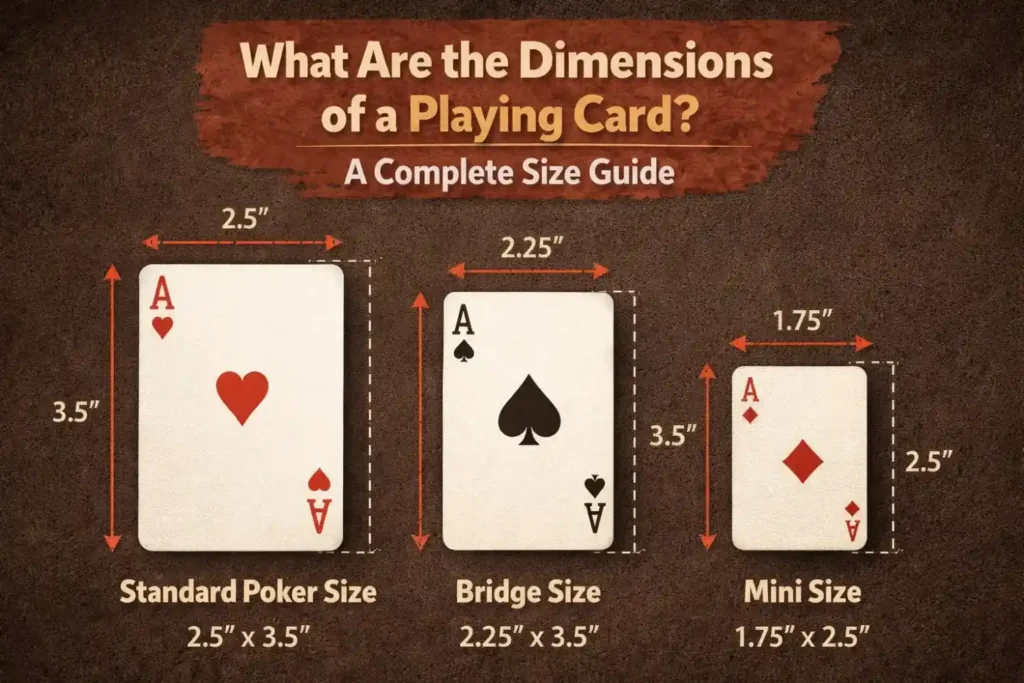
Introduction to Playing Card Dimensions
Have you ever picked up a deck of cards and thought about how they fit so perfectly in your hands? Most of us have grown up playing card games without ever thinking about the size of those cards. Playing cards are so easy to play with. They shuffle smoothly, stack neatly, and fit perfectly into their boxes.
The size of playing cards plays a bigger role in their usability than most people think. Card size affects comfort, shuffling, visibility, storage, and even how their packaging is designed. Once you start paying attention to these things, you’ll start to see how much thought went into something that feels so simple.
In this blog, we’ll break down playing card dimensions, their importance, and their impact.
Why Playing Card Size Matters
| Card Type | Inches | Millimeters |
|---|---|---|
| Poker Card Size | 2.5 x 3.5 | 63.5 x 88.9 |
| Bridge Card Size | 2.25 x 3.5 | 57.15 x 88.9 |
| Mini Playing Cards | 1.75 x 2.5 | 44.45 x 63.5 |
| Jumbo Playing Cards | 3.5 x 5 | 88.9 x 127 |
Card games are meant to feel smooth and hassle-free. When the size of the cards is right, players focus on the game, not the cards themselves. But the moment a deck of cards feels uncomfortable to play with, their gameplay slows down.
The size of your cards affects the player’s grip. It affects how easily cards fan out in your hand. It affects how quickly you can shuffle without bending corners. These things may seem small and minuscule, but they shape up the entire gaming experience.
For businesses, on the other hand, card sizes matter in a completely different way. Things like printing layouts, card box design, storage, and shipping all depend on having accurate dimensions of a playing card. If your measurements aren’t precise to the mark, then it can lead to loose card packaging, damaged product, or wasted space.
How Card Dimensions Affect Handling, Shuffling, and Gameplay
The size of a card deck really affects shuffling and handling. When your cards are sized correctly, they slide smoothly during shuffling without their corners getting caught or sides bending.
If the cards are sized properly, they have a consistent shuffle. This helps players fan their cards easily, throw quick looks at the values, and stack the cards up smoothly between each game.
Brief Overview of Standard vs Custom Card Sizes
Most decks follow a standard playing card size that fits the average hand perfectly. Custom card sizes are also an option that exists mostly for branding purposes, as educational tools, promotional decks, as well as novelty products. They don’t have the same smoothness in shuffling and handling and need careful planning to ensure usability and proper packaging.
What Is the Standard Playing Card Size?
If you heard anyone talking about standard card sizes, they were probably talking about the most widely accepted card format used in everyday play.
The size of a standard playing card is 2.5 inches wide and 3.5 inches tall. The set size is widely used in games like poker, blackjack, or any other traditional card game.
Official Standard Playing Card Dimensions
In imperial measurements, the playing card size is:
- Width: 2.5 inches
- Height: 3.5 inches
In metric terms, the dimensions of a playing card are:
- Width: 63.5 millimeters
- Height: 88.9 millimeters
Metric vs Imperial Measurements
Both metric and imperial card sizes are the same; the only difference is their measuring unit. These units are inches and millimeters. Inches are commonly used in the United States, while millimeters are more common internationally.
Thickness and Card Stock Considerations
The thickness of the cards is just as important as their width and height. Most standard cards are about 0.3 millimeters thick per card. This allows a full deck to stack neatly while still feeling sturdy.
Dimensions of a Playing Card (In Inches & Millimeters)
Let’s discuss the exact measurements used in a playing card set, in both inches and millimeters.
Standard Playing Card Size Chart
The most common trading card dimensions are:
- 2.5 inches by 3.5 inches
- 63.5 mm by 88.9 mm
This size has become the industry standard because it balances comfort, visibility, and ease of use.
Width, Height, and Corner Radius
We’ve already talked about the width and height; let’s move onto another element that’s equally important. You might have noticed that there are some cards with a rounded corner radius. Rounded corners reduce wear, prevent sharp edges, and make cards easier to shuffle. Cards with poor corner rounding frat, bend, or peel much faster over time.
Why These Dimensions Became the Industry Standard
The size of a playing card has been the same for years. This is because this set of measurements fits most hands easily, allows symbols to be printed clearly on cards, and makes handling and card shuffling smooth. Over time, players grew used to this size, and it became the industry standard.
Poker Card Size Explained
The term “poker card size” is commonly used to describe standard playing cards found in most decks. These cards are the same as any other deck of cards.
Poker Card Size vs Standard Playing Cards
In most cases, poker-size cards follow the same 2.5 by 3.5 inch format. This means the size of both card sets are typically the same.
Why Poker-Size Cards Are Used in Casinos
Casinos host multiple games at the same time. All these games need to be smooth and efficient for them to be able to start the next bet just as quickly. This is why cards at a casino need to be easy to read across the table, quick to shuffle, and simple to handle during long sessions. Poker-size cards check all of those boxes, which is the reason why they are the preferred choice for such professional environments.
Best Games for Poker-Sized Cards
There are a lot of games you can play with this type of deck. You play games like:
- Texas Hold’em
- Omaha
- Five Card Draw
- Seven Card Stud
- Razz
- Pineapple Poker
These are just a few options. You can play many more!
Bridge Card Size vs Poker Card Size
Bridge cards are another type of playing cards. These are slightly different from poker or standard playing cards. Bridge-size cards are designed with a different type of gameplay in mind. They offer a slimmer feel that works better for games where players hold many cards at once.
Key Differences in Width and Height
Bridge cards are narrower than poker cards. They usually measure 2.25 inches wide and 3.5 inches tall. The height stays the same, but the reduced width changes how the cards sit in the players hand.
Which Size Is Better for Small Hands
Do you have smaller than average hands? Well then you might justfind bridge cards easier to handle than the standard card deck. The narrower width makes it simpler to fan cards and keep them organized during longer games.
Popular Games That Use Bridge-Size Cards
Just like poker cards, you can play many games using bridge-size cards, including:
- Bridge
- Hearts
- Spades
- Euchre
- Oh Hell!
- Whist
Standard Card Sizes Around the World
Just like everything else, card sizes to see variations around the world. Let’s take a look below:
US Standard Playing Card Size
In the United States, poker-size cards dominate the market and are seen as the standard.
European Card Size Variations
European decks on the other hand use slightly different proportions. These variations are often tied to traditional games that have been played the same way for decades.
Asian and Regional Card Dimensions
In the same way, some Asian card games use narrower or shorter cards.
Trading Card Size and Dimensions
Don’t confuse these with your everyday playing cards. Not only do they have a completely different purpose, but trading cards also have their own specific measurements.
Standard Trading Card Size
The most common trading card size is 2.5 inches by 3.5 inches. This matches standard playing card dimensions, which makes storage easier. Card sleeves, sports card boxes, and binders are all designed around this size to keep collections organized and protected.
Trading Cards vs Playing Cards
Though the sizes of playing and trading cards are generally the same, they have different purposes. A standard deck is meant to be shuffled and played with, while trading cards are more for display as collectors’ items.
Common Uses of Trading Card Sizes
Trading card dimensions are used for sports cards, collectible series, promotional cards, and hobby collections.
Custom Playing Card Sizes and Dimensions
Custom playing cards don’t have a set size chart and offer designers a lot of creative freedom to play around.
Why Brands Choose Custom Card Sizes
You may have seen many brands use custom playing cards for their marketing or as a product. This is because the free size supports unique layouts, educational content, and novelty decks that stand out visually.
Popular Custom Playing Card Dimensions
The most common options include:
- Mini cards
- Oversized cards
- Square cards
When Custom Sizing Makes Sense
Custom sizing works best when standard gameplay rules are not required and the focus is on design or presentation.
How Big Is a Playing Card Compared to Other Cards?
Playing cards are usually the same size as other card types, save for custom cards, which have no set measurement standards.
Playing Cards vs Business Cards
Business cards are smaller and thinner, designed for brief handling rather than repeated use.
Playing Cards vs Tarot Cards
Tarot cards are used in future readings. These are taller and wider, not meant for handling or shuffling.
Playing Cards vs Flashcards
These are used for educational purposes. They come in various width and heights.
Thickness, Weight, and Finish of Playing Cards
Now let’s talk about the feel and finish of a card deck.
Standard Playing Card Thickness
We’ve gone over the numerical value of a card’s thickness. Let’s move on to understanding the need of these values: consistent thickness helps decks stack evenly and shuffle smoothly without catching or bending.
GSM and Paper Stock Options
The paper the cards printed on is also very important. Higher GSM usually means heavier, more durable cards that hold up better over time.
Coated vs Uncoated Finishes
There is one big difference between these two: Coated cards slide more easily and resist moisture. Uncoated cards have a softer feel but wear faster with frequent use.
How Many Cards Are in a Standard Deck?
A standard deck contains 52 cards.
Face Cards, Number Cards, and Jokers
Number cards have numbers on them, face cards on the other hand have letters like A, J, Q, and K. Depending on the deck you might even have jokers in it.
How Many Red Cards Are in a Deck?
- Breakdown of Red Suits
- There are 26 red cards in a standard deck.
- Hearts and Diamonds Explained
- Hearts and diamonds each include 13 cards.
Breakdown of Black Suits
Just like reds, there are 26 black cards in a normal deck.
Spades and Clubs Explained
Spades and clubs each contain 13 cards.
Why Playing Card Size Is Important for Packaging
The dimensions of a card deck will directly impact the size of its packaging.
How Card Dimensions Affect Box Size
Even small differences in card size can cause movement, bending, or damage inside a box. The card’s dimension will help you decide the perfect size for its packaging box.
Standard Playing Card Box Dimensions
Most card boxes are designed around standard dimensions to keep decks secure.
Custom Packaging Considerations
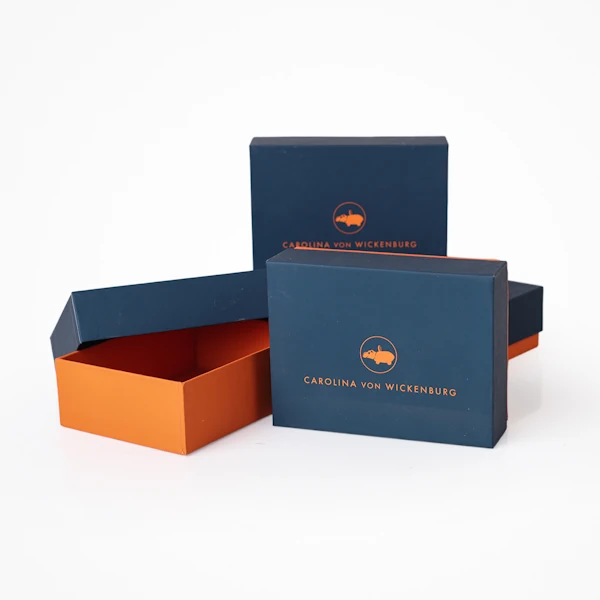
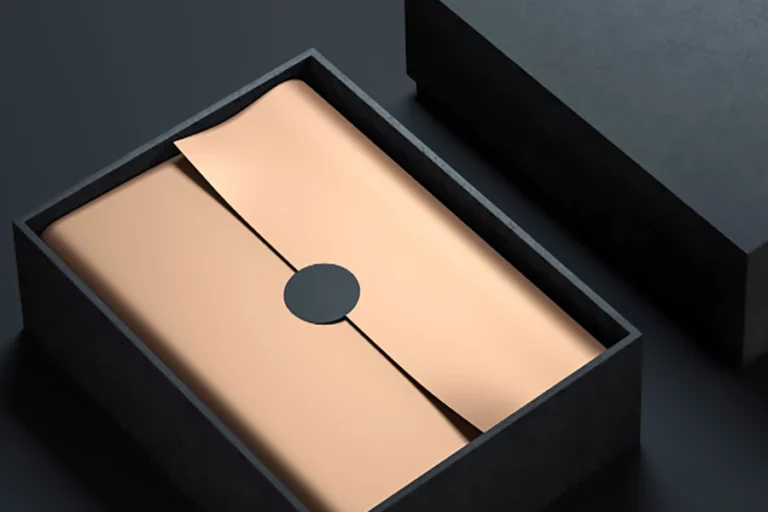
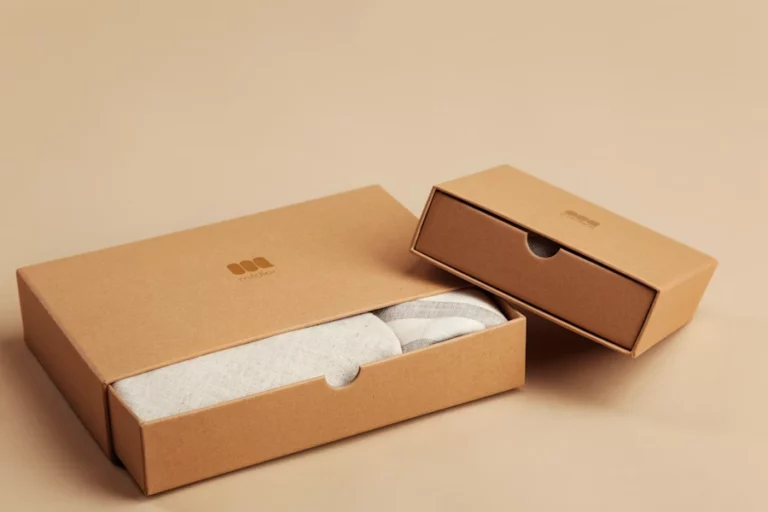
Getting custom cardboard boxes is also a widely used option. You can get in touch with Packaging Heights to design custom card boxes that match your card dimensions to a T.
Common Mistakes When Measuring Playing Card Dimensions
Measurement mistakes are easy to make. Here are the most common mistakes to avoid:
Confusing Poker vs Bridge Size
These two may look similar but have different dimensions.
Ignoring Thickness
Thickness affects stack height and packaging. Try to get it as accurate as possible.
Overlooking Corner Radius
Like we said before, corner radius reduces wear over time so try not to ignore it.
How to Measure Playing Card Size Accurately
Here’s a step-by-step to get the perfect measurement:
Tools Needed for Measurement
Youll need a:
- ruler
- caliper
Step-by-Step Measuring Guide
Measure width, height, and thickness on a flat surface using a consistent pressure
Tips for Bulk Measurement
To measure in bulk, stack the cards up evenly. Make sure the stack doesnt move while taking measurements.
Choosing the Right Playing Card Size for Your Needs
The right size depends on how the cards will be used.
For Casual Games: Standard sizes work best.
For Professional Use: Get a durable material deck.
For Printing and Branding: custom cards are your best bet.
FAQs:
What Is the Standard Size of a Playing Card?
2.5 inches by 3.5 inches.
Are All Playing Cards the Same Size?
Most follow standards, but custom sizes exist.
What Is the Most Popular Playing Card Size?
Poker-size cards are the most widely used.
Can Playing Cards Be Custom-Sized?
Yes, custom dimensions are common.
Final Thoughts on Playing Card Dimensions
When you figure out the different dimensions of different types of cards, it helps you make the best decisions for gameplay, printing, and packaging.
If you are designing or packaging playing cards, Packaging Heights can help create custom boxes that fit your cards perfectly while elevating presentation and protection.





 Company
 Top products
 Help
Help
 Payment Method