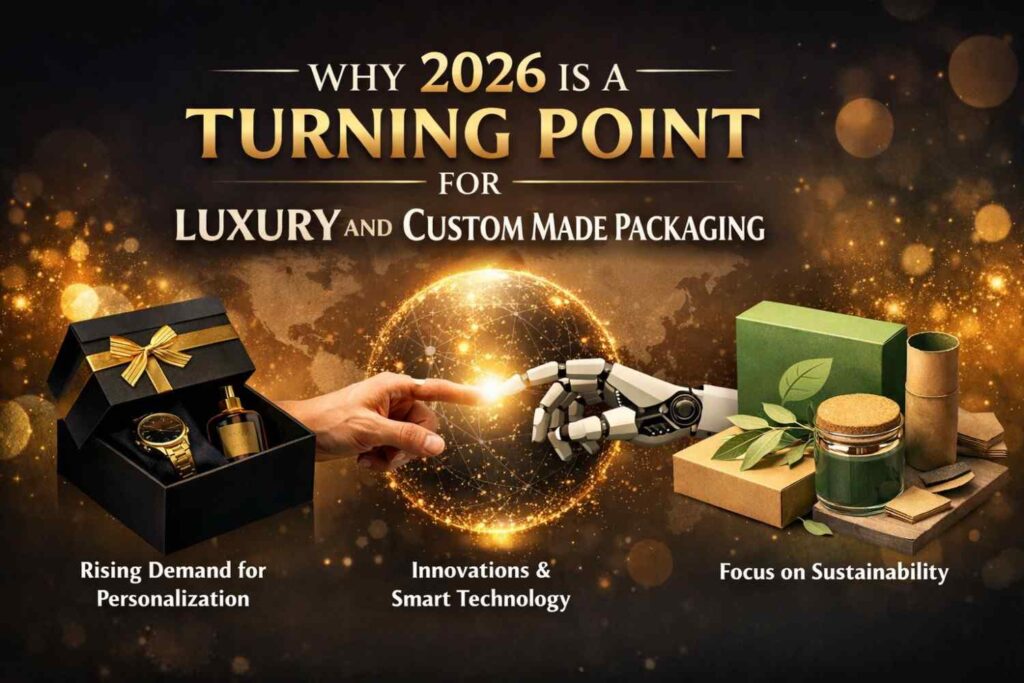
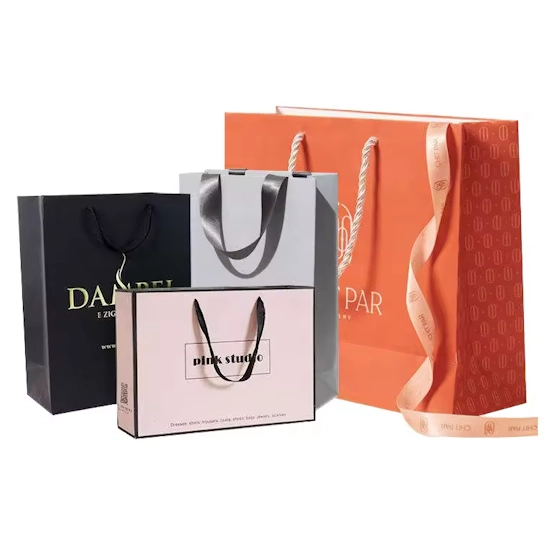
Luxury and custom packaging isn’t held up to ordinary packaging standards. It has always been for more than just product protection. This packaging type shapes up how a product is seen, handled, and remembered. 2026 brings a lot of packaging shifts with it. Materials, buyer expectations, production methods, and brand behavior are all changing together. This combination is what makes 2026 a turning point instead of just another trend cycle.
Buyers Are Paying Attention to Packaging in New Ways
Luxury buyers are more informed than they used to be. They now take note of things like packaging material quality, finish, weight, and structure. Luxury packaging has evolved enough for buyers to consider it as part of the customer experience.
People have started to expect packaging to feel intentional. Faulty elements like weak closures, thin cardboard, or broken hinges get noted and frowned at quickly. In 2026, buyers connect packaging quality with the brand honesty and transparency. If your custom packaging box feels careless, the product inside will feel questionable to them.
Personalized packaging also plays a role in storytelling. Buyers want packaging that reflects the product’s origin, craft, or purpose. Getting a customized packaging box adds to the product appeal and customer connection.
Sustainability Is Now a Design Requirement
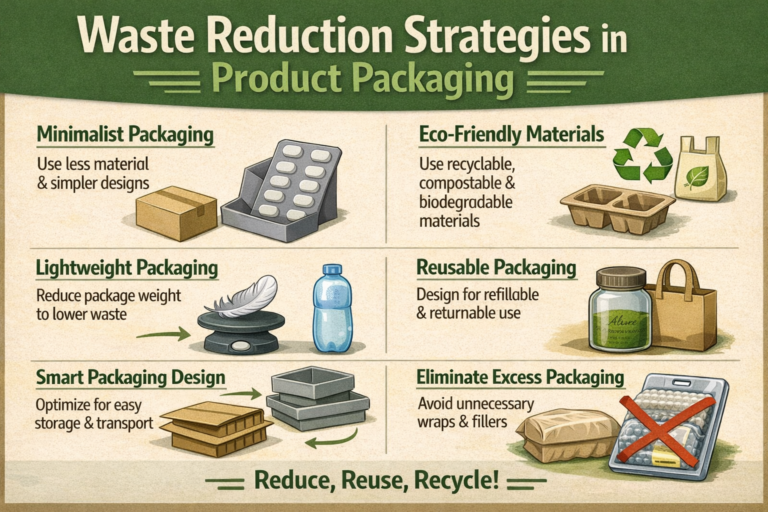
Sustainability has now become a baseline expectation for luxury brands. In 2026 we’re seeing different ways in which sustainability shows up in packaging.
In 2026, luxury packaging focuses on:
- Fewer mixed materials
- Recyclable and reusable boxes
- Reduced excess layers
- Natural textures and finishes
This shift does not mean you get to sacrifice quality, rather there is a need to design smarter. If you use heavy packaging that feels wasteful it will now make the buyer hesitate during purchase. Custom packaging plays a big role here. Custom orders allow brands to control all materials and packaging details carefully. This control helps meet both sustainability goals and consistent presentation.
Customization Is Becoming the Default
In the past custom packaging was reserved for limited runs or special releases. In 2026, it has become standard practice for many luxury brands.
With the improvement in technology, small batch customisation is much more accessible. Brands can adjust sizes, finishes, and structures without committing to massive quantities and expenses.
How It Shapes Brand Trust
Trust is a needed factor in luxury market. Buyers want proof that the money they’re spending is equal to the product’s quality. Custom packaging boxes should offer that promised quality.
Quality packaging:
- Protects products
- Shows attention to detail
- Reduces damage during shipping
- Reflects brand standards
When paclaging fails, it quickly takes the consumers’ trust with it. Broken seals, crushed corners, or misaligned prints all raise doubts towards high prices with low quality. Which is why brands are investing more budget into packaging to avoid these issues.
More Design Options
New materials and finishes in luxury packaging are giving designers more space to play around. The over time improvement in paper engineering, coatings, and inks are giving designers more options to work with within sustainable limits.
You’ll notice that luxury packaging today uses:
- Textured papers with lower environmental impact
- Water-based inks and coatings
- Durable structures that reduce damage
- Reusable packaging formats
These materials allow brands to keep up their premium aesthetics while fulfilling environmental expectations.
Longer Product Lifecycles
Luxury brands have now started to think beyond just the initial sale. Luxury product packaging is being designed to last much longer and serve a purpose after unboxing.
Packaging designs may include elements like reusable boxes, storage-friendly designs, and durable containers that add value beyond first use. This way you can support sustainability and strengthen brand connection while staying visible.
Smaller Brands Are Raising the Bar
Independent and small time luxury brands are the biggest trend in luxury packaging. They often take creative risks and push consumer expectations across the market.
Cost Efficiency Is Driving Smarter Design
The rising economical issues are causing brands to be more strategic and focus on offering consumer help while advising them to focus on efficiency without cutting corners.
Smarter design includes:
- Right-sizing packaging to reduce waste
- Streamlining components
- Choosing materials with consistent availability
- Reducing damage and returns
Final Thoughts
2026 marks a shift in how luxury packaging is designed and evaluated. Thoughtful materials, intentional structure, and custom solutions define premium experiences.
Luxury packaging works best when it feels well thought out. Custom packaging makes that purpose visible. Brands that embrace this mindset are better positioned to meet modern expectations and build lasting connections through every detail that reaches the customer’s hands.
FAQs:
1. Why is 2026 considered a major shift for luxury packaging?
2026 marks a shift due to rising consumer demand for personalization, sustainability regulations, and advanced smart packaging technologies.
2. How is personalization influencing luxury packaging trends?
Brands now use custom sizes, embossing, foil stamping, and tailored inserts to create unique unboxing experiences that strengthen brand loyalty.
3. What role does sustainability play in luxury packaging in 2026?
Eco-friendly materials, recyclable rigid boxes, and biodegradable inks are becoming essential as consumers and regulations demand greener solutions.
4. How is technology transforming high-end packaging?
Smart packaging features like QR codes, NFC tags, and augmented reality enhance customer engagement and product authentication.
5. Why are premium unboxing experiences important for luxury brands?
A memorable unboxing experience increases perceived value, encourages social sharing, and strengthens emotional connections with customers.
6. Which industries are driving the demand for luxury custom packaging?
Cosmetics, jewelry, fashion, electronics, gourmet foods, and premium gift products are leading adoption.
7. Is luxury packaging cost-effective for businesses?
Yes. Premium packaging improves brand perception, reduces returns through better protection, and increases customer retention.
8. What materials are trending in high-end packaging?
Rigid paperboard, velvet lamination, magnetic closure boxes, molded pulp inserts, and sustainable kraft materials are trending.


 Company
 Top products
 Help
Help
 Payment Method