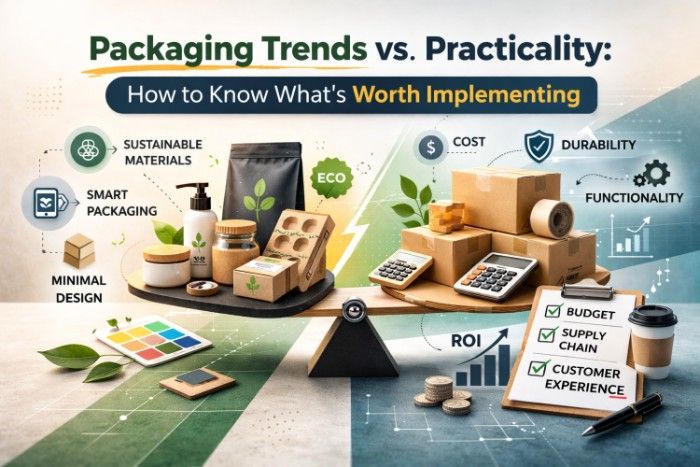
In the current competitive market, packaging has emerged as the primary guiding light for brands to measure the potential for success of a product. Brands are competing for market dominance by leveraging every trend that exists out there, but not all trends have significant merit.
Some trends may not even apply to every product or be of much use. Thus, brands are left with a fundamental question: what packaging trends are worth pursuing, and what are mere passing trends?
This article presents a rational way to make decisions about packaging and demonstrates how custom packaging provides two essential advantages.
Why Packaging is More Important than You Think
Packaging is more than you think. The packaging material serves as more than an ordinary box or a wraparound. The first brand experience for customers comes through packaging, which reveals details about their products and corporate values. Good packaging can:
- Protect products during shipping
- Increase perceived quality
- Strengthen brand identity
- Enhance the unboxing experience
- Encourage repeat purchases and customer loyalty
For example:
The customized jewelry box serves two functions because it delivers protection for fragile items while enhancing the complete luxury experience of the brand. The packaging design, which contains only visual elements without any practical value, will create problems for customers while wasting their money and harming your business reputation.
Packaging Trends That Bring Real Value
There are trends in packaging that aren’t just about looks; they genuinely improve how the product feels and meet what customers expect. These trends are worth checking out.
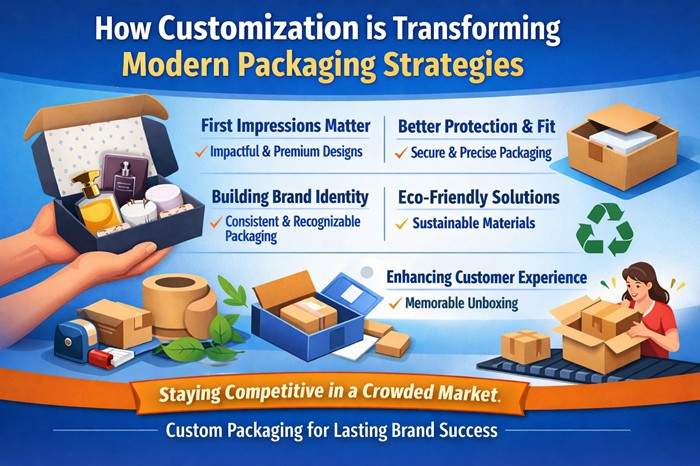
1. Custom Packaging for a Real Experience
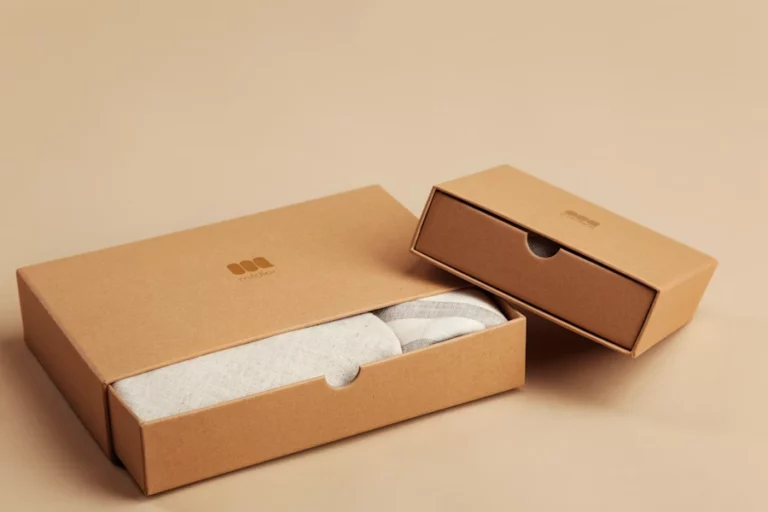
Custom packaging is more than just adding a logo to a box. It’s about molding the box to the product, the story, and the people you are reaching out to. The advantages are not just limited to the visual appeal:
- A perfect fit for your product, reducing damage
- Unique presentation that strengthens brand recognition
- Improved customer engagement and experience
2. Sustainable Packaging Materials
Using sustainable materials is no longer a trend but the norm for many businesses. When businesses choose to use sustainable packaging materials, they send a message that they are environmentally conscious and can win the trust and loyalty of their customers.
Choices:
- Biodegradable or compostable materials
- Recyclable cardboard or paperboard
- Reusable packaging materials
Using environmentally friendly packaging materials should meet two important requirements: it should be sustainable and functional. When packaging materials are environmentally friendly but not functional, they are no longer environmentally friendly because they will cause spills and waste.
3. Minimalist Design for Clarity and Elegance
Minimalist packaging design is all about simplicity. It involves clean lines, a limited color palette, and simple labels. This approach is visually appealing and practical:
- Reduces printing and production costs
- Cuts material waste
- Helps customers quickly identify and understand the product
- Improves brand visibility
Trends That May Not Be Practical
Not every trend adds value. Some can cost more, create shipping issues, or confuse customers.
1. Overly Complex Shapes or Decorations
Fancy shapes, embossed details, or intricate folds can be eye-catching, but they often:
- Increase production cost
- Require special storage or handling
- Delay manufacturing timelines
A brand should not invest in a trend that fails to enhance both user experience and product security. Irregular-shaped boxes that a toy company uses for packaging will result in increased shipping expenses and client dissatisfaction.
2. Existing Technologies Which Provide Extra Functions Without Any Actual Usefulness
The implementation of packaging, which includes LED lights and NFC chips, provides an impressive demonstration yet needs to fulfill a specific purpose. The useful examples include boxes that track product freshness and boxes that deliver current product information to users.
However, the glowing boxes, which operate as non-functional design elements, do not improve user experience. The essential requirement for technology exists because it needs to solve problems or improve user experience instead of showing only visual appeal.
3. Oversized or Wasteful Packaging
Overstuffing products into oversized packaging may make them seem high-end, but the consequences are clear:
- Higher material and shipping costs
- Storage inefficiency
- Increased environmental impact
Practical packaging keeps the size proportional to the product while minimizing waste.
How to Evaluate a Packaging Trend
Here’s a quick rundown on how to determine if a trend is right for your brand.
Ask yourself:
- Does it improve the customer experience?
- Does it protect the product?
- Is it budget-friendly in the long run?
- Does it align with what your target market wants?
- Does it align with your brand values?
If the answer to most of these questions is yes, then you’re probably looking at a trend that’s worth jumping on.
Striking the Right Balance: Trend with Practicality
The most effective packaging methods require a balance between current trends and real-world usefulness. Your brand needs to implement functional design elements that attract customers while maintaining your brand identity through your designs.
Your business needs to achieve ha igher environmental impact through custom packaging solutions that use eco-friendly materials. Packaging needs to demonstrate both product protection and packaging design when these two elements work together, because they enhance product protection and show the product’s quality and detailed work.
Final Thoughts
Although packaging trends bring excitement to the industry, designers must focus on creating products that fulfill specific purposes. The use of trendy elements generates temporary excitement while businesses achieve sustainable success through their operational needs, brand identity, and customer satisfaction requirements.
Your brand will achieve customer satisfaction, product safety, waste reduction, and better brand recognition through the strategic use of custom packaging that combines creative design with functional needs.
The implementation of smart packaging systems generates financial returns through increased sales, together with enhanced customer loyalty and brand trust.




 Company
 Top products
 Help
Help
 Payment Method